Alcohol culture
5 Principles of Refined Etiquette at the Vietnamese Dining Table
In Vietnamese culture, the dining table is a special space where relationships are built and nurtured through stories, well-wishes, and shared toasts. A perfect feast is defined not only by exquisite food but also by the way each person conducts themselves. Refined etiquette at the table demonstrates respect, cultural depth, and personal character.
In a modern context with diverse social gatherings, mastering basic etiquette is more essential than ever. It is the key to creating a positive impression, maintaining social balance, and building a professional image. Let’s join Ga Trong An Nam Spirits in reviewing 5 key principles to help you remain poised in every encounter.
1. Respecting Hierarchy – The Foundation of Politeness
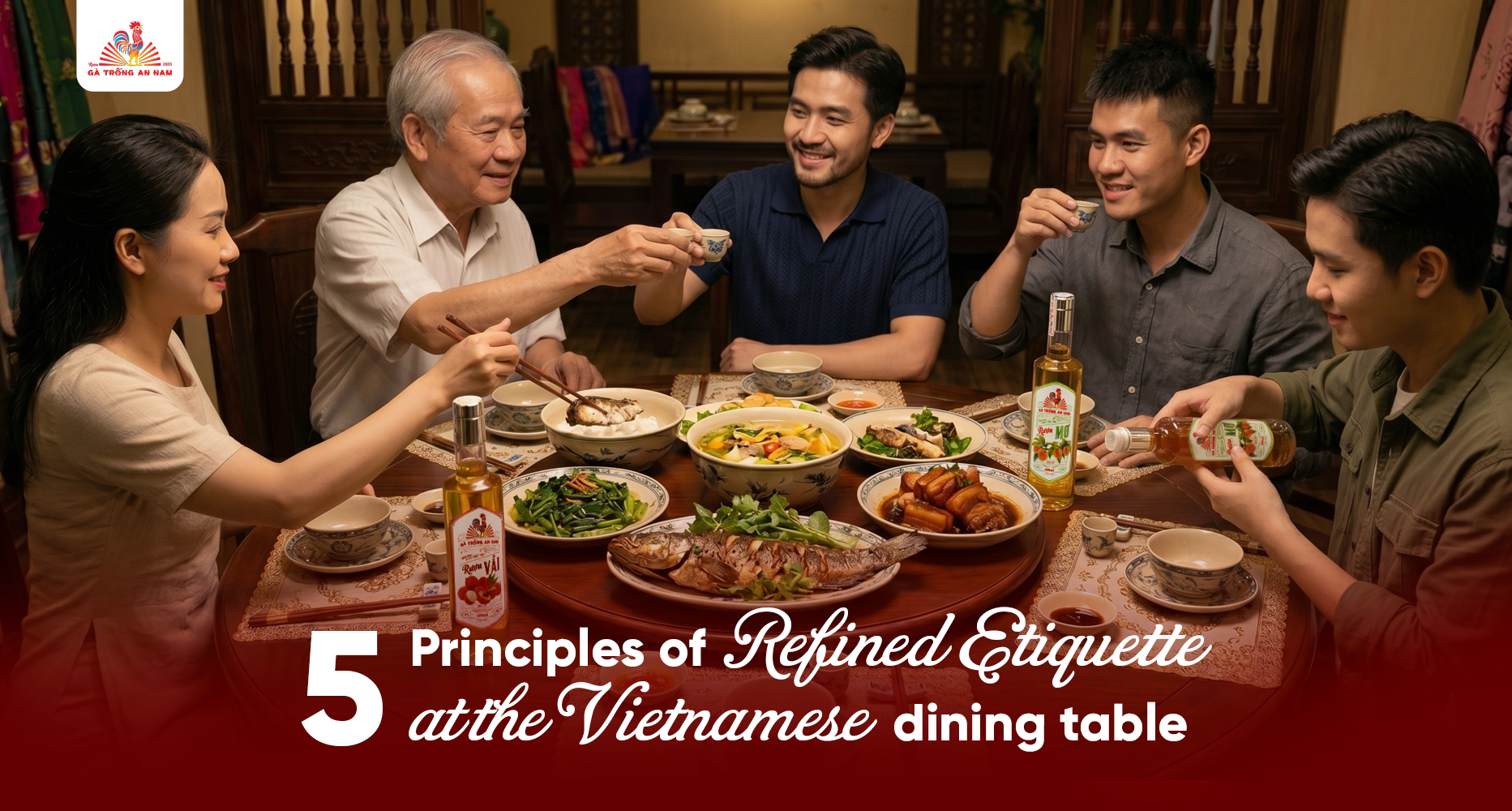
In any gathering, recognizing social hierarchy and priority is crucial. Younger participants or those in junior positions should proactively observe and show respect toward elders or those in higher positions.
Simple gestures, such as pouring spirits with both hands, inviting the seniors first, or standing up during a toast, demonstrate thoughtfulness. These small details are highly valued, especially in formal or business-related settings. Respect is shown not just through actions but through attitude; by staying calm and polite, you convey sincerity and seriousness in the relationship.

2. Lowering Your Glass When Toasting – A Small Gesture with Deep Meaning
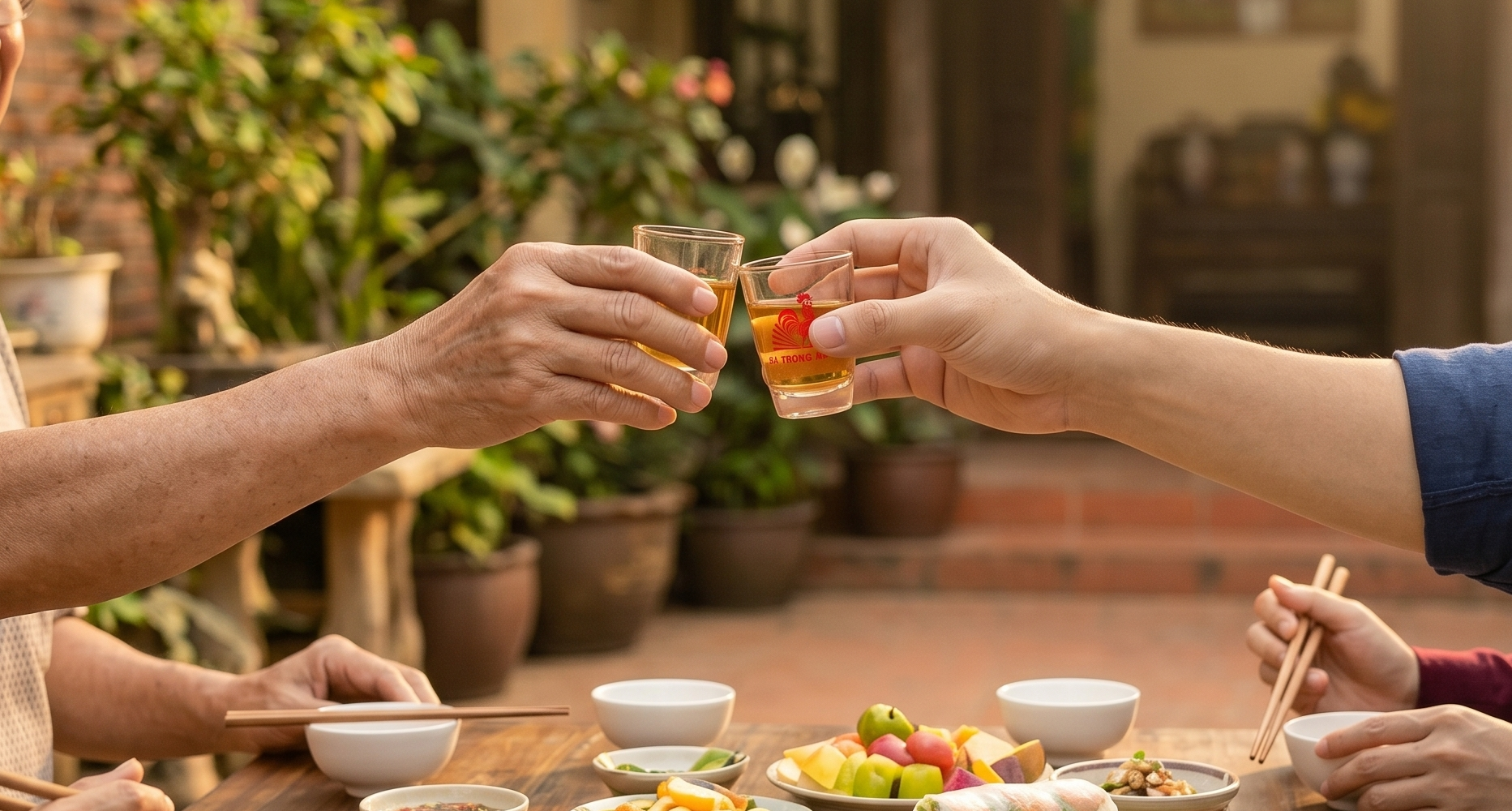
The way we hold and clink glasses often speaks louder than words. Proactively lowering the rim of your glass when toasting with elders, mentors, or important partners is a refined act of etiquette. It embodies humility and the traditional Vietnamese values of “respecting those above.”
-
In Business: This reaffirms your respect for the partner’s status and experience. A light clink below their glass shows you are observant and know how to manage your ego to prioritize the partnership.
-
In Daily Life: This gesture reflects good upbringing and gratitude toward elders. It turns a toast into a sincere, heartfelt moment, bridging generational gaps through mutual respect.
3. Understanding the “Half-Full Spirits, Full Beer” Rule
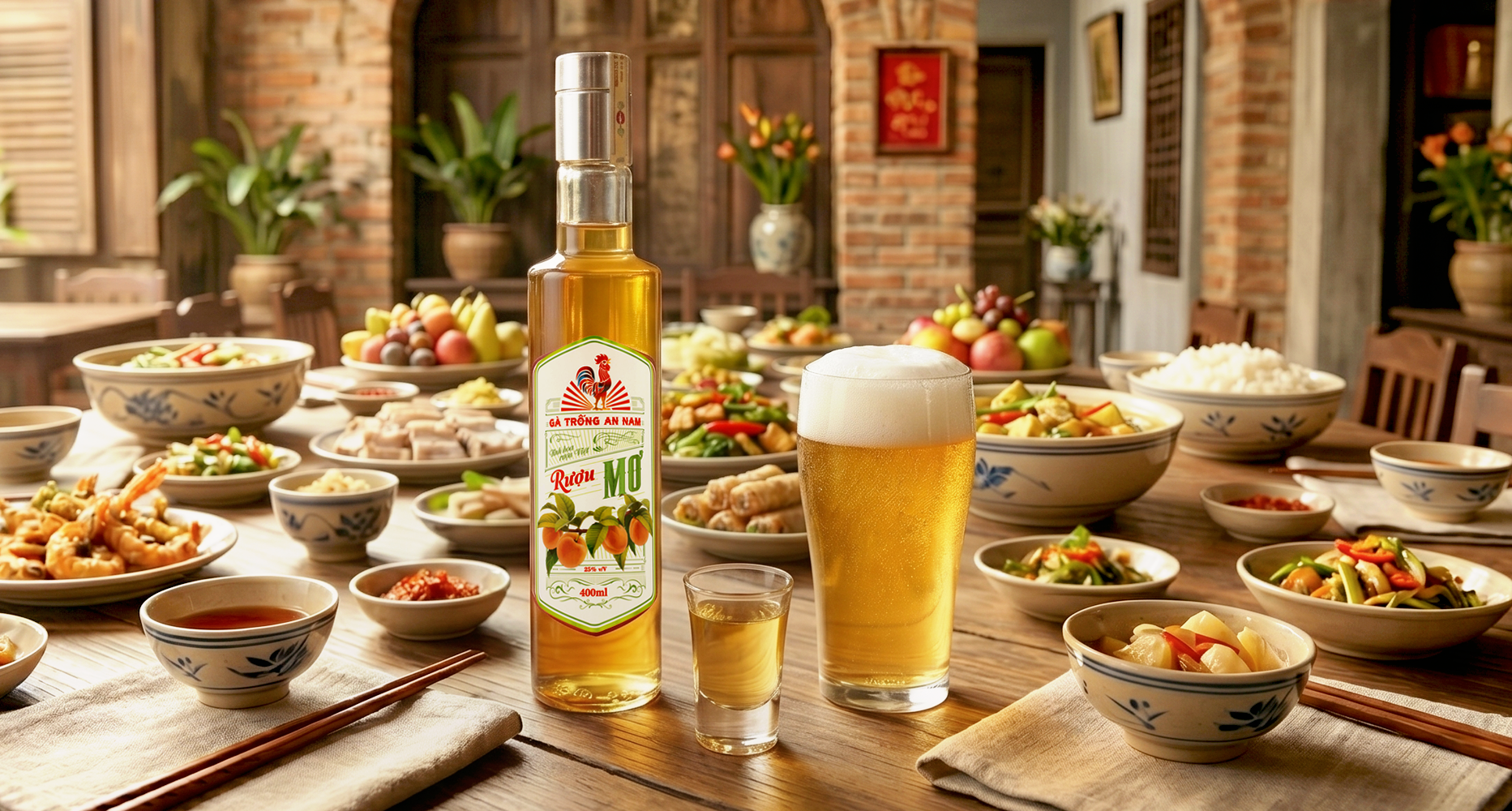
A familiar rule at Vietnamese tables is “half-full spirits, full beer” (rượu vơi, bia đầy). This reflects the different ways each drink is savored.
Spirits are typically poured at a moderate level, allowing the drinker to fully appreciate the flavor profile while maintaining a steady pace. This ensures conversations flow naturally without pressure. Conversely, beer is often poured fuller to create a relaxed atmosphere in casual gatherings. Understanding this rule demonstrates your cultural knowledge and helps you maintain balance throughout the event.
4. The Collective Toast – The Beginning of Connection
Before individual invitations begin, a banquet usually starts with a collective toast. This opening ritual creates consensus and connects everyone present.
This moment carries collective significance, showing respect for the entire table. As everyone raises their glasses together, the atmosphere opens up, setting the stage for deeper conversations. Following the group toast, individual invitations should follow a logical order, ensuring communication stays balanced and tactful.

5. Choosing Standard Spirits – Defining the Table’s Class
Beyond etiquette, the quality of the drink plays a vital role in showing respect to guests. A well-prepared feast always includes a thoughtful selection of drinks, reflecting the host’s care and investment.
Ga Trong An Nam Spirits is an ideal choice for various social settings. Our fermentation and aging process, following strict Japanese standards over a long period, creates a clear spirit with a stable structure and a velvety smooth finish. The meticulousness in every bottle ensures a consistent experience, helping guests easily immerse themselves in the atmosphere. When the drink meets high standards, the feast becomes complete—from flavor to emotion.